In a desert garden, bare soil is the enemy. Exposed ground absorbs heat, loses moisture rapidly, and invites weeds. A smart ground cover strategy solves all three problems at once — and in the Sonoran, Chihuahuan, and Mojave deserts, you have dozens of beautiful, drought-tolerant options to choose from.
Whether you're looking to replace turf, stabilize a slope, fill gaps between boulders, or create a living mulch around your cacti and trees, the right ground cover transforms a barren patch into a thriving, water-wise landscape.
Why Ground Covers Matter in Arid Climates
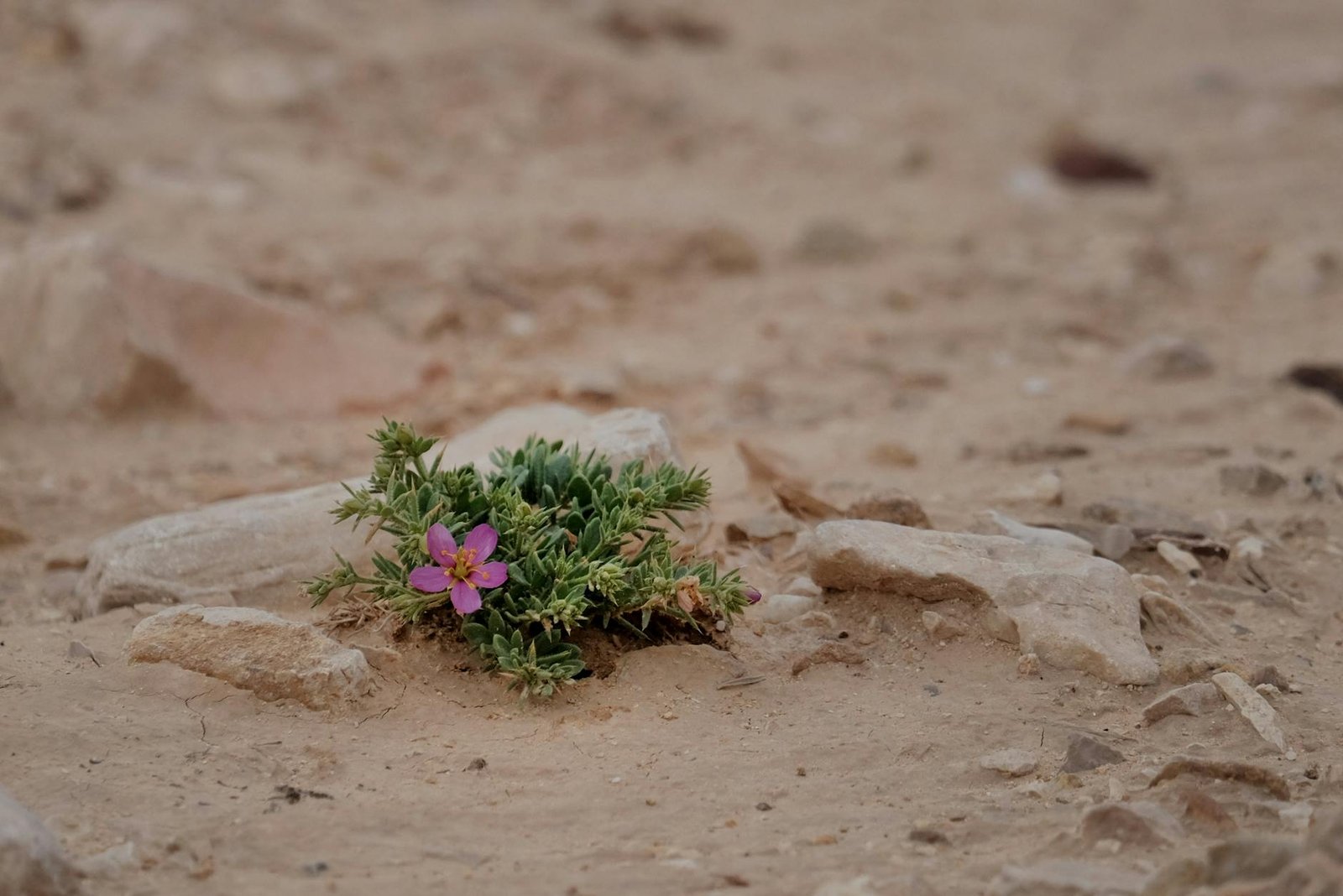
Bare soil in the desert heats up fast — surface temperatures can exceed 140°F (60°C) on summer afternoons in Phoenix or Tucson. That radiant heat stresses nearby plants, evaporates soil moisture at a brutal rate, and creates a hostile growing environment at ground level.
A dense ground cover does several important things:
- Insulates roots from temperature extremes
- Reduces evaporation by shading the soil surface
- Suppresses weeds by blocking light at soil level
- Controls erosion on slopes and berms
- Adds texture and color year-round
"In the desert, covering the ground is not decoration — it's basic land stewardship. Bare soil is a wound the landscape is always trying to heal."
Native Ground Covers Worth Planting
1. Lantana (Lantana camara and L. urticoides)
Few plants deliver more visual impact per gallon of water than native lantana. The Texas native Lantana urticoides produces clusters of yellow-orange flowers from spring through fall, drawing butterflies and hummingbirds by the dozen. Plants spread 3–5 feet wide and stay low enough to plant beneath mesquite or palo verde canopies.
Lantana is cold-hardy to about 20°F and dies back in hard freezes, but reliably re-sprouts from the base. Space plants 3 feet apart for full coverage within two seasons.
2. Desert Marigold (Baileya multiradiata)
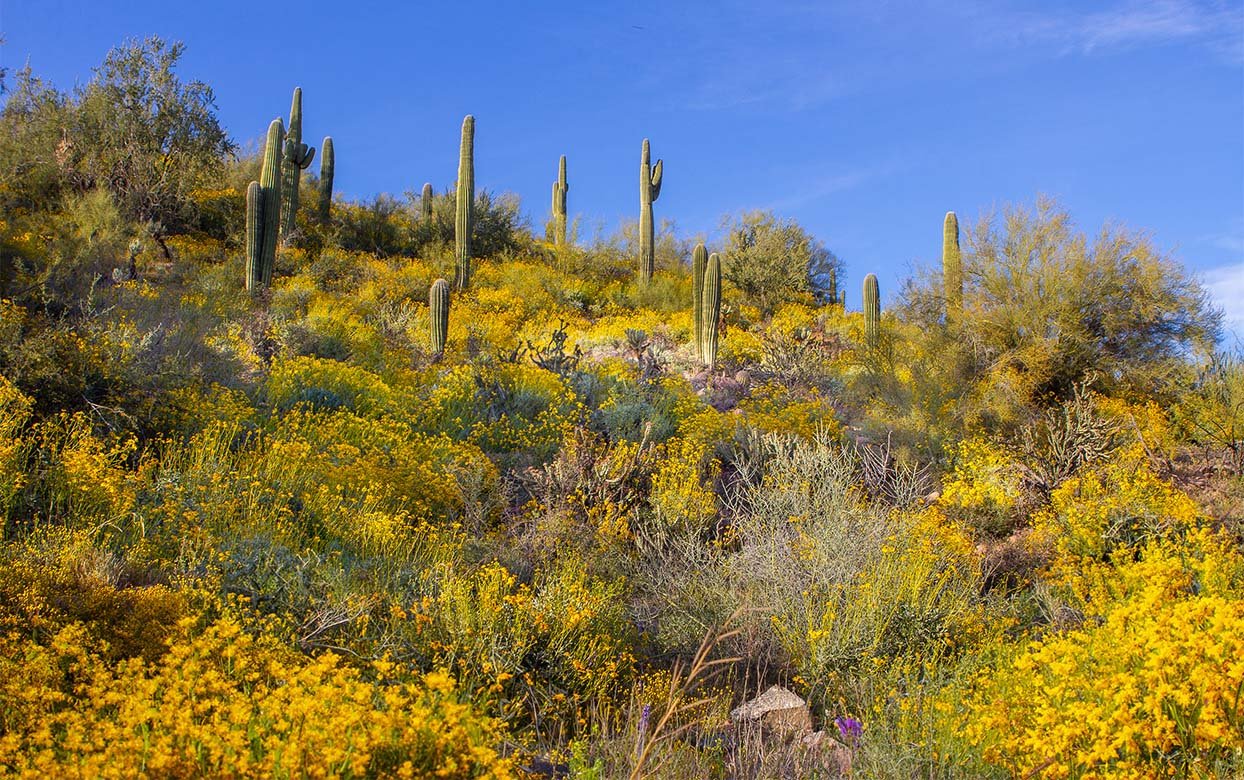
This Chihuahuan and Sonoran native blooms brilliant yellow from spring through fall — and in mild years, nearly year-round. Desert marigold grows 12–18 inches tall, self-seeds freely, and naturalizes beautifully across gravel mulch or decomposed granite. It thrives in full sun and tolerates the most alkaline, rocky soils with ease.
Use it as a transition plant at the edges of beds to create that signature desert wildflower look. It pairs especially well with low-growing verbena and penstemon as part of a layered, pollinator-rich planting community.
3. Trailing Indigo Bush (Dalea greggii)
If you need to cover a large area quickly, trailing indigo bush is hard to beat. It spreads 4–6 feet wide from a single plant, stays under 12 inches tall, and produces a flush of small purple flowers in spring. The fine-textured, silver-green foliage looks beautiful against red or tan gravel.
It handles reflected heat well, making it an excellent choice near driveways, south-facing walls, or anywhere the summer sun is punishing.
4. Spreading Rosemary (Salvia rosmarinus 'Irene' or 'Prostratus')
Prostrate rosemary varieties are practically foolproof in USDA zones 8–10. They cascade over walls, fill dry slopes, and hold soil against erosion while providing fragrant, edible foliage. The cultivar 'Irene' can spread 4–8 feet wide and roots itself along the stems as it goes, making it one of the most effective self-propagating ground covers in the desert.
Pair spreading rosemary with a drip irrigation emitter kit that delivers slow, deep soaks during establishment. Like most desert ground covers, rosemary needs more frequent water in the first year than it will once its roots have spread.
5. Angelita Daisy (Tetraneuris acaulis)
Low, mounding, and covered in small yellow daisies from late winter through early summer (with repeat blooms in fall), angelita daisy is one of the most reliable ground-level bloomers in the Sonoran Desert. It tops out at 6–8 inches, making it ideal for filling spaces between pavers or boulders without obscuring the hardscape.
It's extremely drought-tolerant but rewards occasional deep watering with heavier flowering. The same deep, infrequent watering principles that keep succulents healthy apply equally well to established ground covers.
6. Black Dalea (Dalea frutescens)
This Texas native produces deep purple flowers in fall when most desert plants are winding down. It grows 18–24 inches tall and 3–4 feet wide, tolerating poor, alkaline soils without complaint. Black dalea combines beautifully with feathergrass (Nassella tenuissima) for a soft, naturalistic look that moves in the breeze and catches the autumn light.
Inorganic Ground Covers: Gravel, DG, and Rock
Living ground covers aren't the only option. In extreme desert conditions — high-traffic areas, HOA restrictions, or deeply shaded entryways — inorganic materials often make more practical sense.
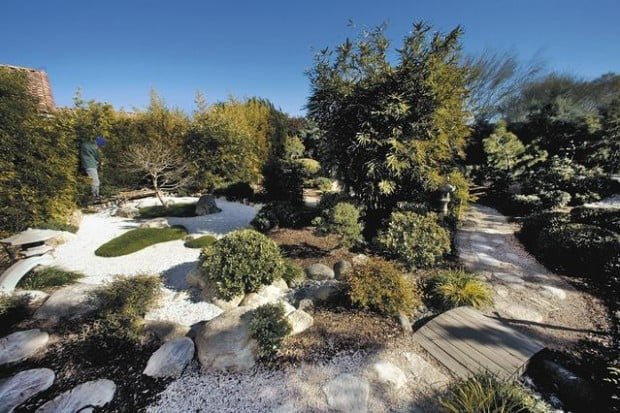
Decomposed granite (DG) is the most popular desert hardscape material. It packs firm underfoot, drains excellently, and comes in colors from tan to rust to charcoal. Use a 3–4 inch layer over weed barrier fabric to suppress weeds while maintaining a natural, permeable surface.
Crushed granite and river rock provide useful visual contrast and work well in drainage channels and dry streambeds. Use river rock at 1.5–3 inch diameter in swales to manage monsoon water flow while adding a naturalistic look.
Pea gravel works well under shade structures and around container plantings, though it can migrate in heavy monsoon runoff — edge it with steel bender board or natural stone to keep it in place.
Spacing, Establishment, and Seasonal Care
| Ground Cover | Mature Spread | Water Needs | Best Exposure |
|---|---|---|---|
| Lantana | 3–5 ft | Low once established | Full sun |
| Desert Marigold | 1–2 ft | Very low | Full sun |
| Trailing Indigo Bush | 4–6 ft | Very low | Full sun |
| Spreading Rosemary | 4–8 ft | Low | Full sun to part shade |
| Angelita Daisy | 1 ft | Very low | Full sun |
| Black Dalea | 3–4 ft | Low | Full sun |
Apply a 2–3 inch layer of organic mulch around ground covers during the first growing season to retain soil moisture and cool the root zone. Once plants have spread and knitted together, the ground cover canopy does that work on its own.
Most desert ground covers need establishment watering every 5–7 days during the first summer. After that hot season, most can thrive on natural rainfall supplemented by occasional deep soaks. Planting in fall dramatically reduces establishment watering needs — cooler temperatures let roots grow without the stress of summer heat bearing down on young plants.
Matching Ground Cover to Your Site
The best ground cover is the one that fits your specific conditions. South-facing slopes need plants that handle blazing direct sun and reflected heat — trailing indigo bush and desert marigold excel in those spots. Shady courtyards and north-facing exposures can support spreading rosemary, dwarf ruellia (Ruellia brittoniana 'Katie'), or native buffalo grass.
If you're starting from scratch, our beginner's desert garden guide walks through site assessment, soil prep, and choosing plants that fit your microclimate before you invest in any plants or materials.
Ground covers are one of the highest-return investments in a desert landscape — minimal maintenance, significant visual impact, and lasting benefits for soil health and water conservation. Choose two or three from this list, get them in the ground this fall, and by spring you'll have living coverage where bare caliche used to be.
Ready to build a complete water-wise landscape? Dive deeper into how to water desert plants without overwatering them, then explore how ground covers work alongside shrubs and trees in a desert companion planting strategy.
This post contains affiliate links. We may earn a small commission if you purchase through them, at no extra cost to you.